An independent antifouling study on seven types of leisure boat coatings has found that biocide-free silicone paint worked best, and a paint marketed as environmentally friendly was ‘extremely toxic’.
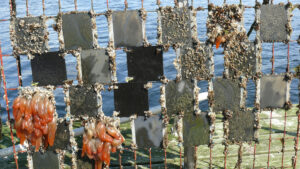
Researchers from Chalmers University of Technology in Sweden say the findings of an independent antifouling study show that paints with the highest copper content are ‘unnecessary’ and should be phased out.
The study assessed five paints with a cuprous oxide content of various levels; one biocide-free silicone paint that makes the surface so slippery organisms cannot attach; and one paint containing tralopyril and zinc pyrithione biocides – not copper.
Antifouled panels were immersed for up to six months in coastal waters of Tjärnö in Sweden, Hundested in Denmark, and Arcachon Bay on France’s Atlantic coast.
Antifoul paints that dominate the market contain the biocide cuprous oxide and release copper, which affects other organisms in the environment, contaminating the water and bottom sediments.
The antifouling study found that coatings with a low copper content can work just as well as those with more copper.
Lead author Maria Lagerström said results pointed to the silicone-based biocide-free paint being the most effective, closely followed by the biocide containing tralopyril paint – which although marketed as ‘environmentally friendly’ released an amount of biocide ‘several thousand times higher than the acceptable levels’.

Maria Lagerström, researcher at the Division of Maritime Environmental Science at Chalmers. Credit: Chalmers tekniska högskola
Antifouling study finds silicone-based paints ‘extremely promising’
“The goal of our study was to see how the environmental impact of antifouling paints can be reduced, while boat owners get the effect they want,” says Lagerström, a researcher at the division of maritime environmental science at Chalmers.
“If we sum up the study, we can conclude that the copper-free alternatives were actually more effective than those containing copper – but with very different effects on the environment.
“The test winner is the silicone paint that has the best sustainability profile because it performed well against fouling while having low toxicity.
“It requires more prep work and a special underlying coating to get the paint to adhere to the hull, but in our comparison it looks extremely promising and is worth trying.”
Why do boats need antifouling?
An untreated boat hull can be covered in a thick layer of algae, barnacles and other marine organisms in just a few weeks.
This makes the boat both heavier and slower in the water – which leads to higher fuel consumption, among other things.
Therefore, boat owners regularly paint the hull with so-called ‘antifouling paints’ that slowly release toxic substances – biocides – to prevent the organisms from growing on the hull.
The paints that dominate the market contain the biocide cuprous oxide and are effective as long as they release copper.
However, Lagerström believes this study shows that paints with the highest copper content are not worth their environmental impact.
She said: “Using paints with the highest copper content would have an unnecessary environmental impact now that we have shown that it works with lower levels.
“If we phase them out, it would make a huge difference to the environment in our European coastal waters.
“And I really can’t see any reason why highly toxic products like the tralopyril paint should be allowed on the market in any European country at all.
What do the leading manufacturers say?

“It looks the same but its rubbery touch feels quite different!” says PBO reader Stuart Guy about the Silic One antifouling on his yacht. Credit: Stuart Guy
A spokesman for Hempel, a leading coatings supplier, said: “We’ve always believed in the power of silicone-based technology, and seeing it validated by an independent scientific study is very rewarding.
“Our biocide-free silicone technology, such as Silic One, stands out for its fouling prevention features and consistent performance over time.
“This supports the yachting industry’s shift toward technologies that can keep fouling at bay while minimising use of biocides.”
A spokesman for AkzoNobel, a leading global manufacturer of yacht coatings, said: “While we are not available to comment on the details of the report, AkzoNobel takes compliance very seriously and is committed to ensuring that its products adhere to all the necessary regional and international rules and regulatory frameworks, including the Biocide Products Regulation (BPR) and Registration, Evaluation, Authorisation and Restriction of Chemicals (REACH).
“In addition, AkzoNobel plays a leading role in the development of industry-wide standards on marine coatings, such as the latest ISO standards, and is an active participant in industry bodies such as the World Coating Council.”

In-water hull cleaning: one sailor’s tips
Andy Pag takes the plunge to clean his boat’s dirty bottom while afloat
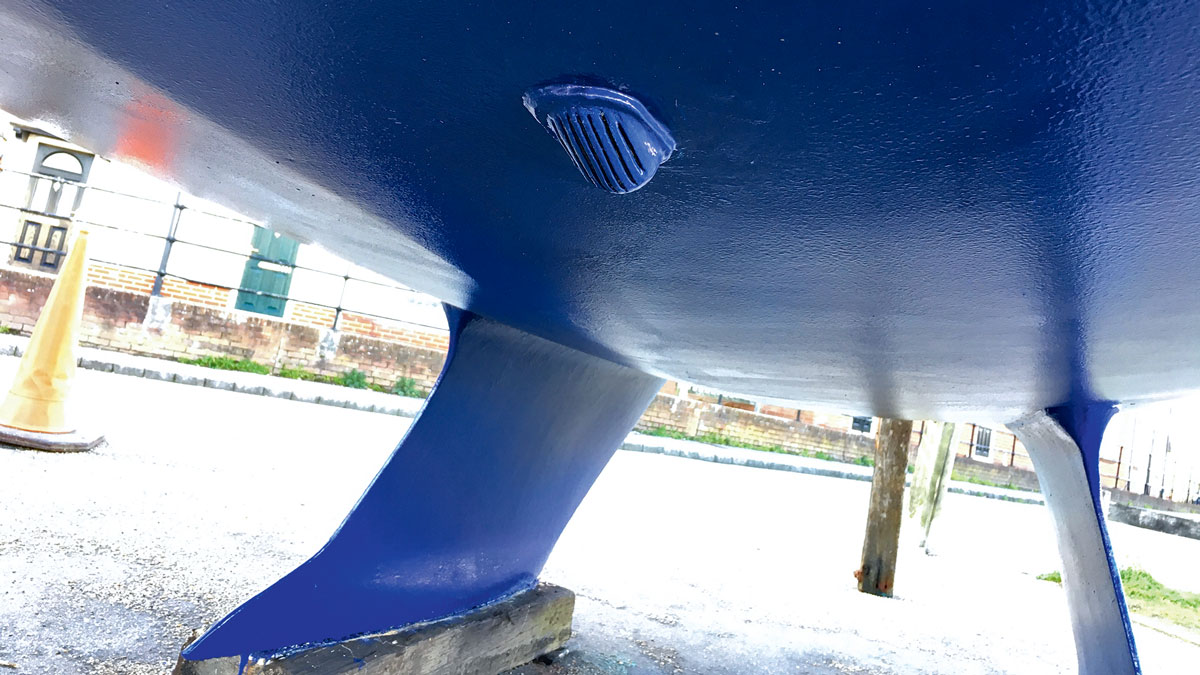
How Hempel’s Silic One silicone antifouling performed over two years on my 27ft boat
Stuart Guy shares the results of how Hempel’s hydro gel fouling-release system has performed on his Hunter Pilot 27 over…

Best antifouling paint: 8 leading options in head-to-head test
In June 2021 we coated the hull of a Hardy Commodore 42 with eight of the best antifouling paint products.…
Want to read more articles like Biocide-free boat antifouling paint ‘works best’?
A subscription to Practical Boat Owner magazine costs around 40% less than the cover price.
Print and digital editions are available through Magazines Direct – where you can also find the latest deals.
PBO is packed with information to help you get the most from boat ownership – whether sail or power.
-
-
-
- Take your DIY skills to the next level with trusted advice on boat maintenance and repairs
- Impartial, in-depth gear reviews
- Practical cruising tips for making the most of your time afloat
-
-
Follow us on Facebook, Instagram, TikTok and X